In the autumn of 1775, the British Empire prepared for a conflict it believed would end quickly. King George III was convinced the American colonies had grown dangerously rebellious, and many in Britain agreed. To them, the colonists had forgotten their loyalty to the Crown.
As the King and his ministers studied maps and military reports, they made plans to send the largest overseas army Britain had ever assembled. They even sought 18,000 German auxiliary troops to reinforce their regulars. “Once these rebels feel a sharp blow, they will submit,” the King confidently declared.
Across Britain and Ireland, ships were readied, and nearly 20,000 soldiers gathered at ports like Portsmouth and Cork. Soon, this great expeditionary force would be on its way to crush the rebellion.
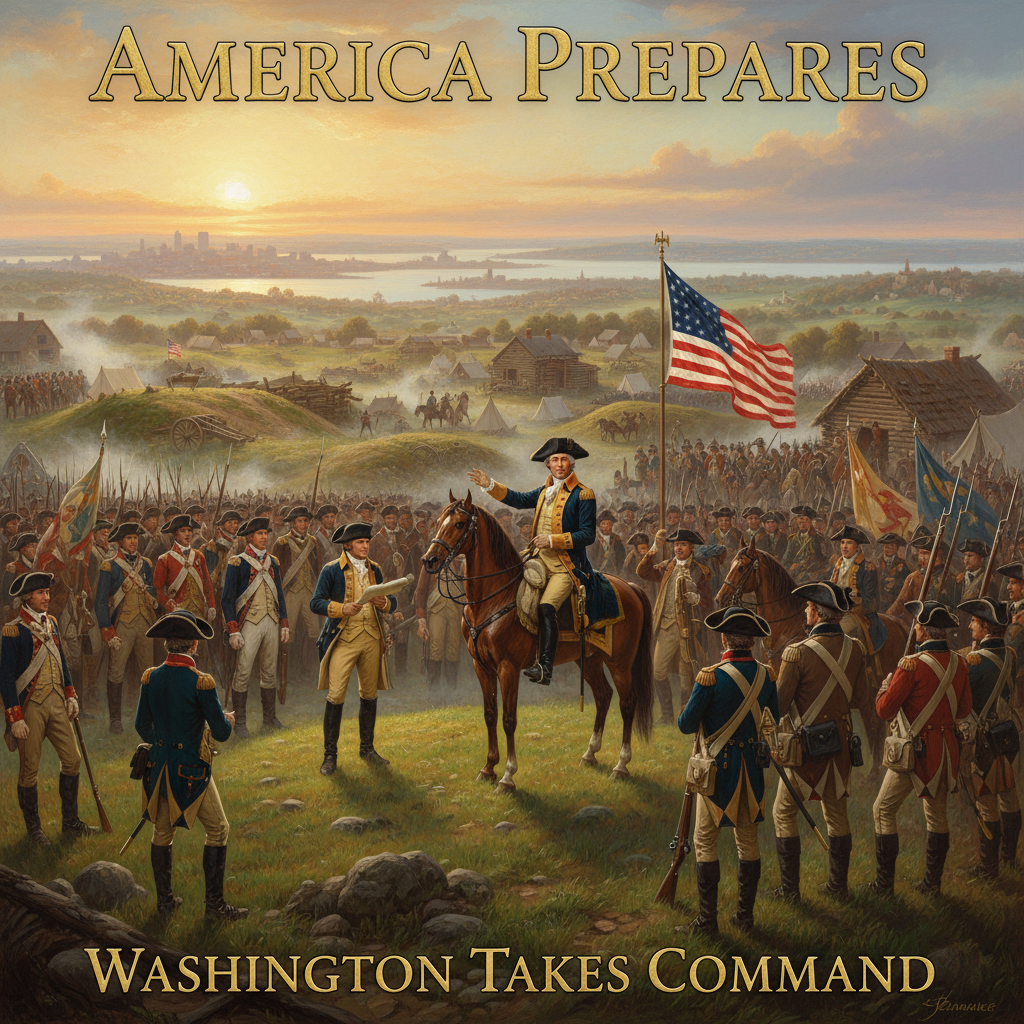
America Prepares – Washington Takes Command
In Philadelphia, the Second Continental Congress knew a British attack was coming. General George Washington commanded the main Patriot army, which had Boston under siege. Local Committees of Correspondence, Inspection, and Safety helped extend Patriot influence across most of the Thirteen Colonies.
But British control remained strong elsewhere. The West Indies depended on British military protection and refused to risk rebellion. Florida’s small population feared Spanish invasion more than British rule. Many Native American nations preferred to stay neutral, though they privately favored the British as the more reliable ally.
Congress hoped Canada might join the Patriot cause. Quebec, however, had been governed fairly with the recent Quebec Act, which restored religious and cultural rights for French Catholics. When Congress sent appeals for support, the Canadians ignored them.
The First Northern Campaign: A Race to Strike Canada
Canada’s defenses were thin—only about 800 British regulars. Knowing reinforcements would arrive soon, Congress decided to act first, hoping to “liberate the oppressed inhabitants.”
A 2,000-man force, called the “Northern Army,” gathered at Ticonderoga under General Richard Montgomery. Though poorly organized, Montgomery proved a capable commander. In September 1775, he besieged Fort St. Jean, using heavy guns captured earlier. After six tough weeks, the fort surrendered, opening the road to Canada.
But disease and desertion rapidly thinned the army.
Meanwhile, another force tried to join Montgomery. Colonel Benedict Arnold led 2,000 men on a brutal wilderness route through forests, rivers, and swamps. Many turned back, but by early December, Arnold reached Quebec with a small surviving force. When he linked up with Montgomery, the combined army numbered only about 1,200 men.
The Failed Assault on Quebec
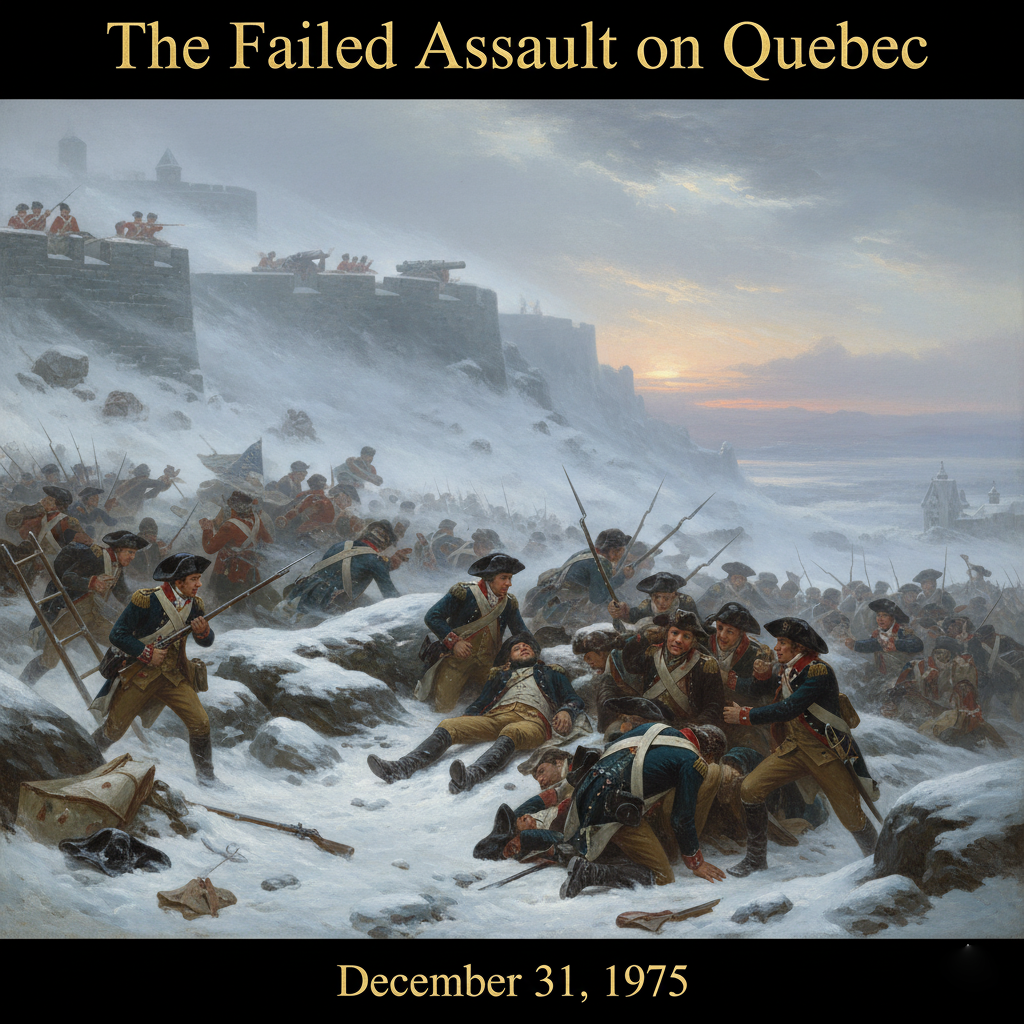
Quebec was an imposing fortress20-foot walls, over 100 cannons, and the brilliant Governor Guy Carleton commanding its defense. Winter was closing in, and many American enlistments would expire soon. With no time to spare, Arnold and Montgomery chose to launch a risky nighttime attack on December 31st, during a blizzard.
It was a catastrophe.
Montgomery was killed in the first volley, Arnold was badly wounded, and hundreds of American soldiers were captured. The broken remnants about 600 men suffering from cold and smallpox—held their fragile position outside Quebec but could not survive without reinforcements.
Henry Knox and the “Noble Train of Artillery”
Back in the colonies, General Washington prepared to break the stalemate in Boston. A 25-year-old former bookseller, Henry Knox, undertook a stunning logistical mission: transporting 59 massive cannons from Fort Ticonderoga to Boston. He hauled them across 300 miles of mountains, frozen rivers, and deep snow.
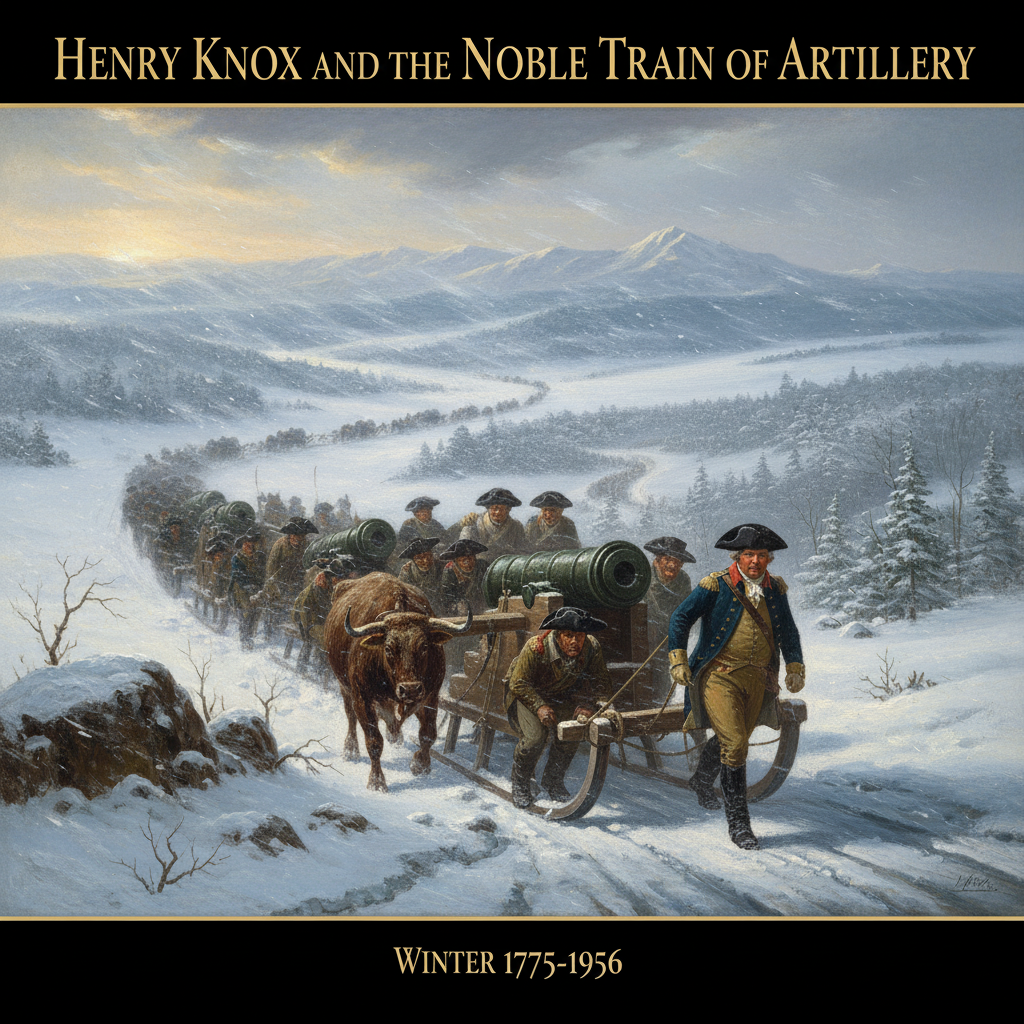
On January 27, 1776, Knox arrived in Boston. Washington promoted him on the spot.
Instead of launching a risky assault across the frozen Charles River, Washington agreed to fortify Dorchester Heights. From there, the cannons could threaten the entire British fleet.
Patriot forces quietly gathered timber and supplies. Under the cover of nightly bombardment, they moved the heavy guns onto the Heights. By dawn, the British were stunned. Their counterattack failed due to violent winter storms, and with supplies running low, General Howe decided to evacuate Boston.
On March 20th, the British sailed for Halifax—ending a siege that had lasted more than ten months. Celebrations erupted across the colonies.
Loyalists vs. Patriots: A Nation Divided
Although the Patriots rejoiced, not all Americans supported the rebellion. About one-fifth of the population were Loyalists, each with different motivations. Some were recent immigrants tied culturally and economically to Britain. Others feared that an American republic would collapse into chaos. Many Anglicans remained loyal to the King, who was head of their church.
Local Committees of Safety closely watched suspected Loyalists. By 1776, many who refused to support the Patriot cause found themselves threatened, investigated, or driven from their homes. Some Loyalists even formed their own militias, sparking brutal local conflicts that would last for years.
Families, neighborhoods, and entire communities split apart as the colonies fractured between competing visions of America’s future.
British Failures in the South
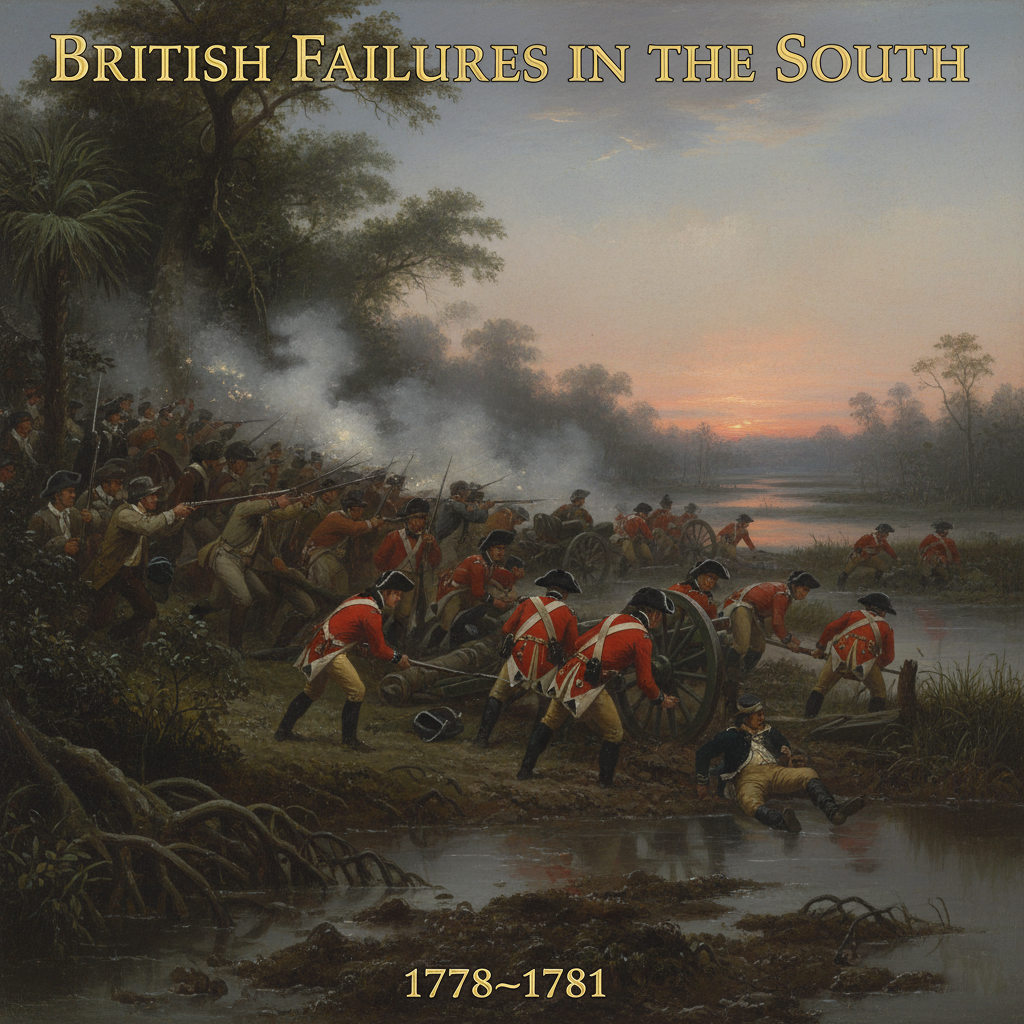
British leaders believed that rebellion was strongest in New England and that the southern colonies were full of secret Loyalists. A show of force, they hoped, would inspire thousands to rise.
In early 1776, naval commander Admiral Parker arrived with 50 ships and around 3,000 troops—far too few for such an ambitious mission. A Loyalist force in North Carolina attempted to join him but was ambushed at Moore’s Creek Bridge in a disastrous defeat.
Parker then tried to capture Charleston, the richest city in North America. But the fort on Sullivan’s Island, built from soft palmetto logs, absorbed British cannon fire with ease. British ships were damaged, transports were turned back, and the entire attack collapsed.
The failure ended British hopes of rallying southern Loyalists. By summer, from Virginia to Georgia, not a single British soldier remained.
The Path to Independence
By spring 1776, the Continental Army marched triumphantly to New York, where Washington expected the next British assault. Meanwhile, demands for full independence surged across the colonies, driven in part by Thomas Paine’s fiery pamphlet Common Sense. Paine argued passionately against monarchy and in favor of self-government. His clear language reached ordinary people like no political text before it.
Congress debated independence for weeks. On July 2nd, 1776, they voted in favor. Two days later, the newly written Declaration of Independence was adopted, asserting that all men possess the unalienable rights of life, liberty, and the pursuit of happiness.
Celebrations erupted across the new United States: statues toppled, royal symbols burned, and mock funerals held for the King.
But independence was only the beginning. The British Empire now prepared its full response.
Britain Strikes Back
In May 1776, 7,000 British reinforcements arrived in Canada, forcing the exhausted American forces to retreat. Montreal fell, and the Patriots withdrew south.
Meanwhile, Washington anxiously prepared New York’s defenses. His fears proved right. On June 29th, over 100 British ships appeared on the horizon. Soon more arrived—until more than 400 vessels, carrying 32,000 soldiers and 12,000 sailors, surrounded New York. It was one of the largest fleets ever assembled in the 18th century.
British troops landed on Staten Island to the cheers of local Loyalists. Days later, British frigates sailed up the Hudson River and bombarded Manhattan.
The message was clear:
The British were back, and the real war was about to begin.